|
Pakistan stands at an unenviable position when it comes to human and social development, especially education. In terms of global comparisons, it is 125th in the world ranking with a Human Development Index (HDI) score of 0.490. It has an adult literacy rate of only 57% (male 69%, female 45%; urban 74%, rural 48%). Just under half of the 19 million children of primary school going age are not enrolled for primary education. Compared to 58% boys, only 48% girls are enrolled for primary education, which shows the extent of gender imbalance in provision of basic education.
Addressing these gaps is a big challenge. There is not only a need to generate enough resources for the education sector, but also (and perhaps more importantly) to develop instruments, mechanisms and frameworks for their effective and efficient utilisation. The Pakistani private sector, nonprofit organisations and international aid agencies have an important role to play in both of these. On one side, they are important partners in enhanced resource allocation for education provision and on the other they can help by benchmarking standards, by providing technical assistance, by developing new models, and by providing effective input in the education policy processes.
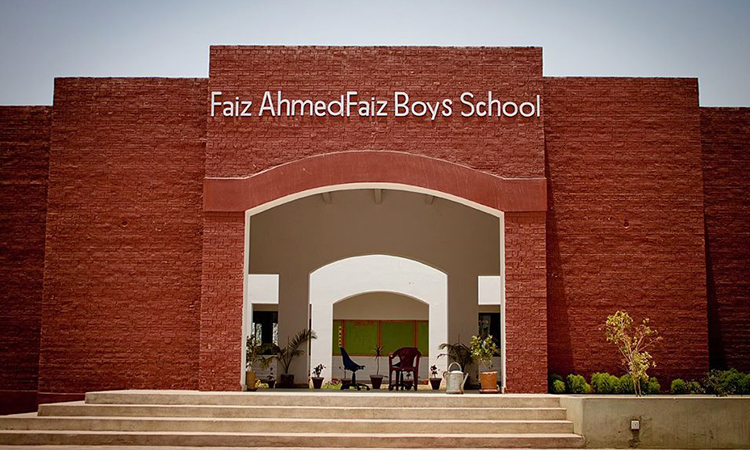
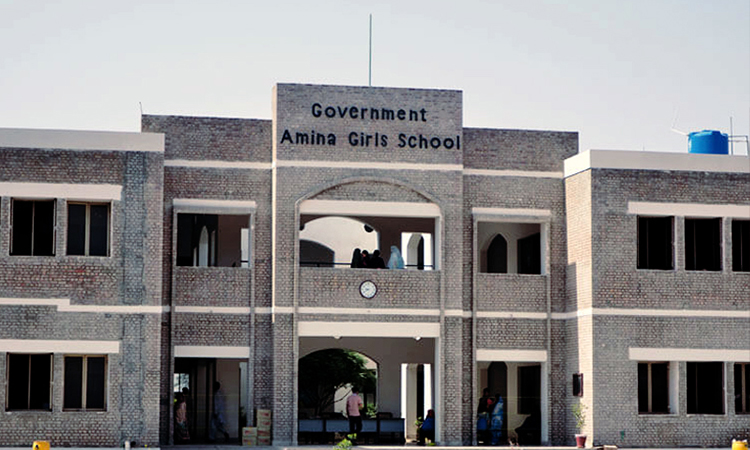
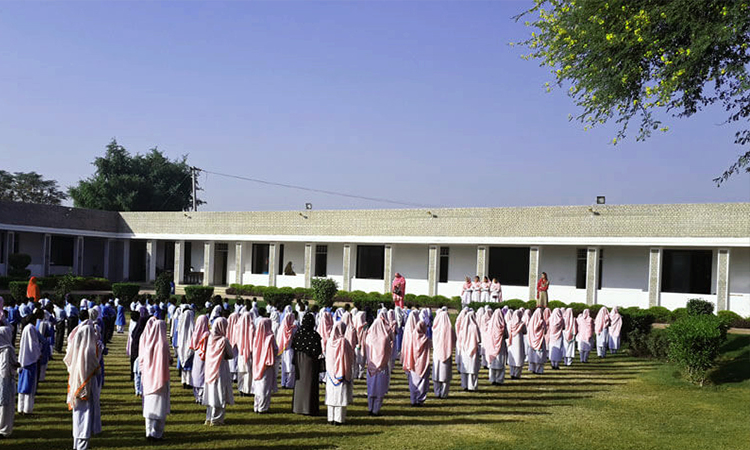
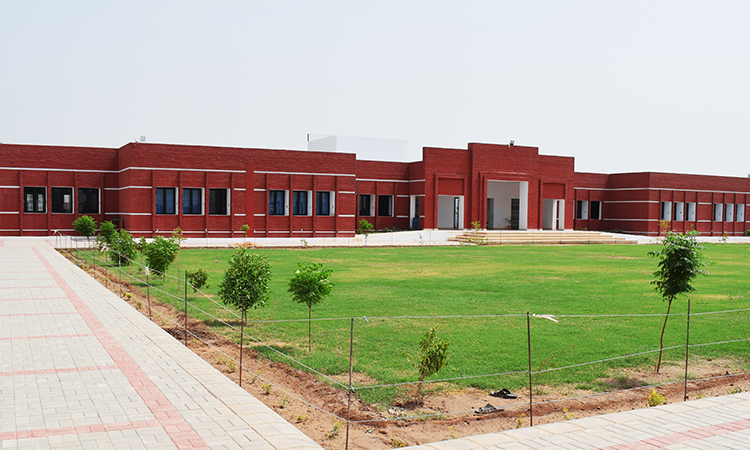
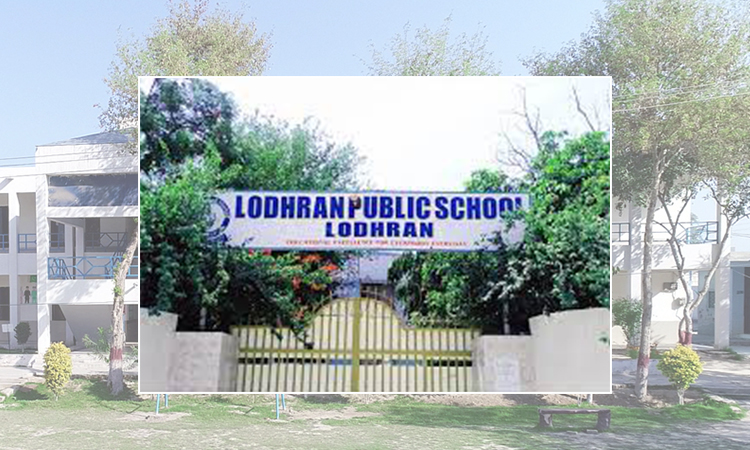
Tareen Education Foundation (TEF) is actively engaged in both these areas. Through its school adoption programme, it has contributed significant resources to improve government schools in Lodhran, Rahim Yar Khan and Ghotki. At the same time it has piloted innovative approaches to improve governance in government schools, to develop an effective monitoring and evaluation framework, to build teachers' capacity to deliver quality education, to introduce supplementary reading material and to improve physical infrastructure in adopted schools.

TEF adopted 85 government schools in six Union Councils of district Lodhran through a Memorandum of Understanding with the District Government Lodhran in October 2010. An initial baseline survey was conducted to collect data on the available infrastructure and human resource. The survey showed that the adopted schools needed massive investment before they could provide the kind of environment that was required to provide quality education to children. This included investment in human resource and management systems.

Our mission is to provide quality education, especially to marginalised communities, such as the rural poor and women.

Our objective is to create an enabling environment that increases students' understanding of social issues, develops their faculties of critical analysis and independent thinking, polishes their communication and articulation skills, and makes them active citizens of Pakistan.